


In the fast-paced world of retail, keeping customers happy is as crucial as keeping shelves stocked. Enter ChatGPT, the digital assistant that’s transforming the shopping experience from mundane to magical. Imagine a world where customers can get instant answers to their queries while sipping their lattes, all thanks to a friendly AI. It’s like having a personal shopping assistant who never takes a coffee break.
Understanding ChatGPT in Retail
ChatGPT serves as an innovative tool in retail, providing significant enhancements to the shopping experience. This AI-powered assistant responds to customer queries instantly and efficiently.
Definition of ChatGPT
ChatGPT functions as an advanced language model developed by OpenAI. It processes natural language, enabling engaging interactions with users. Retailers utilize this technology to create chatbots that simulate human-like conversations, allowing customers to seek information effortlessly. The ability to understand context and respond appropriately makes ChatGPT a valuable resource in various retail settings.
Importance in Retail Industry
ChatGPT plays a crucial role in improving customer service in retail. It helps store associates manage repetitive inquiries, allowing staff to focus on complex tasks. This technology enhances customer engagement by providing personalized recommendations based on shopper preferences. Retailers report increased sales and improved customer satisfaction as a direct result of using ChatGPT. Efficient communication with customers leads to streamlined operations, ultimately benefiting both retailers and shoppers.
Applications of ChatGPT in Retail
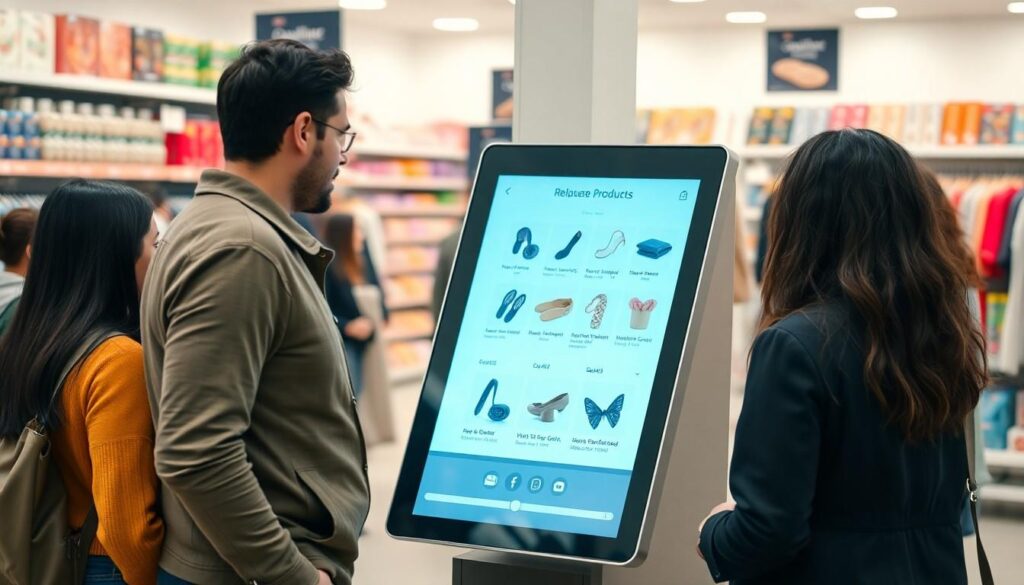
ChatGPT finds various applications in retail, significantly improving customer interactions and operational efficiency.
Customer Service Automation
ChatGPT streamlines customer service by handling frequently asked questions. Retail businesses implement chatbots powered by this AI, allowing customers to get immediate responses. Issues like order tracking, return policies, and product inquiries are managed effectively. Store associates benefit from this automation, as it frees them from repetitive tasks and enables focus on complex customer needs. According to a 2022 study, 80% of retailers reported enhanced customer satisfaction due to improved response times.
Personalized Shopping Experience
Personalization is a key advantage of using ChatGPT in retail. The AI analyzes customer preferences and shopping behaviors to offer tailored product recommendations. Shoppers experience a more engaging interaction through customized suggestions, which often lead to increased sales. For instance, an online clothing retailer might showcase items that align with a customer’s past purchases. Reports indicate that personalized recommendations can boost conversion rates by over 30%.
Inventory Management Assistance
ChatGPT aids in inventory management by predicting product demand based on customer inquiries. Retailers can track trends and improve stock levels with data-driven insights. This AI technology assists in alerting store managers about low stock items or potential shortages. Effective inventory management minimizes lost sales opportunities and optimizes supply chain operations. A recent analysis reveals that businesses utilizing AI tools for inventory management saw an average reduction of 15% in excess stock.
Benefits of Using ChatGPT in Retail
ChatGPT offers several advantages that enhance efficiency in the retail sector. Its ability to engage customers, reduce costs, and improve decision-making drives success in retail operations.
Enhanced Customer Engagement
ChatGPT elevates customer interactions by providing quick responses to inquiries. Retailers can personalize conversations through tailored product suggestions based on previous purchases. Engaging customers in real-time enhances their shopping experience, fostering loyalty. Instant support positions retailers as attentive to customer needs, cultivating long-term relationships. Enhanced engagement typically results in customers spending more time on retail platforms, directly impacting sales positively.
Cost Efficiency
Utilizing ChatGPT significantly lowers operational costs. Automating customer service tasks reduces the need for large support teams, creating substantial savings. Retailers can reallocate resources previously dedicated to handling customer inquiries. Standardized responses streamline operations and improve response times. Reducing personnel costs while maintaining service quality positions retailers competitively in the market. Overall, this leads to improved profit margins without sacrificing customer satisfaction.
Improved Decision Making
Data-driven insights from ChatGPT assist retailers in refining strategies. By analyzing customer interactions, retailers gain valuable information about preferences and purchasing patterns. Informed decisions can be made regarding inventory, marketing, and customer service. Using predictive analytics, retailers can adapt their offerings to meet expected demand promptly. The ability to respond proactively to market trends enhances competitiveness and positions brands for growth.
Challenges and Limitations
Despite the benefits, challenges and limitations exist with ChatGPT in retail settings. These issues can impact the effectiveness of its implementation.
Data Privacy Concerns
Data privacy concerns pose significant challenges for retailers using ChatGPT. Customers often worry about the security of their personal information during interactions. Retailers must ensure compliance with regulations like GDPR and CCPA. These regulations mandate stringent data handling processes. Lack of transparency can lead to mistrust among consumers, potentially hindering adoption. Addressing these concerns requires robust data protection measures and clear communication about how customer data is used.
Integration with Existing Systems
Integration with existing systems presents another challenge. Retailers often operate on various platforms for inventory and customer relationship management. ChatGPT needs to seamlessly interface with these systems for optimal performance. Disparate systems can complicate data synchronization, impacting response accuracy and reliability. Moreover, the initial setup may require technical expertise and significant resources. Ensuring a smooth transition involves thorough planning and possibly additional training for staff. Effective integration maximizes the value of ChatGPT in enhancing retail operations.
ChatGPT is transforming the retail landscape by enhancing customer interactions and streamlining operations. Its ability to provide instant responses and personalized recommendations creates a more engaging shopping experience. Retailers benefit from reduced operational costs and improved decision-making through data-driven insights.
While challenges like data privacy and system integration exist, addressing these issues is vital for maximizing ChatGPT’s potential. As retailers continue to adopt this technology, they position themselves for growth and increased competitiveness in a rapidly evolving market. Embracing ChatGPT not only improves customer satisfaction but also paves the way for innovative retail strategies.